Wilderstead
Lore
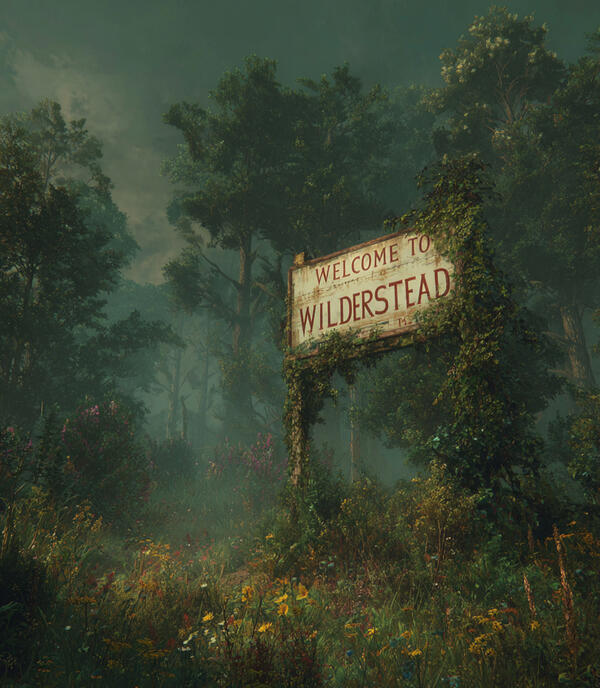
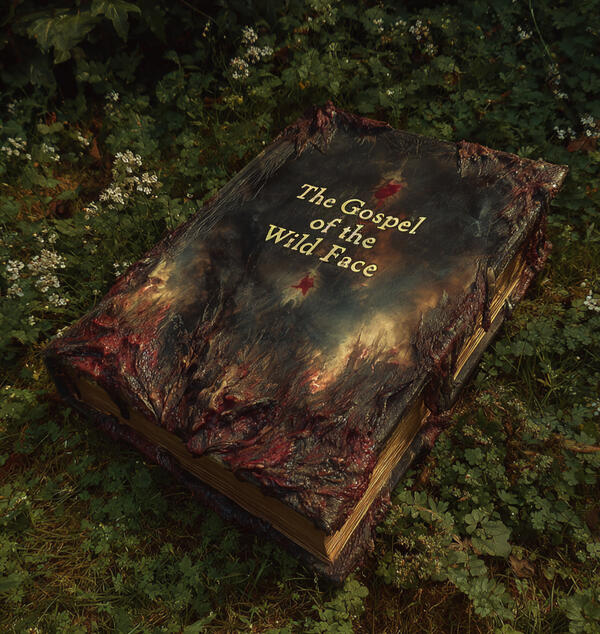
Wilderstead was founded in 1856 by a group of religious outcasts from a burned-down settlement. They believed the human face was the true source of sin. Judgement. That exposing it meant surrendering to primal urges and "becoming beasts among men." To them, wearing a mask was the only way to "seal" the spirit and remain pure.Early settlers claimed the forest around Wilderstead spoke to them: they heard whispers guiding them deeper, promising safety and "transcendence" if they left the outside world behind. They began to call these whispers The Watchers, forest spirits or gods demanding total devotion.Over time, this turned into a strict doctrine called The Gospel of the Wild Face, which includes cryptic verses, blood oaths, and ceremonial chants. By the 1920s, it was no longer just belief — it was law, enforced by family heads and "The Father and Mother" of Wilderstead (the leaders).
Town Of
Wilderstead
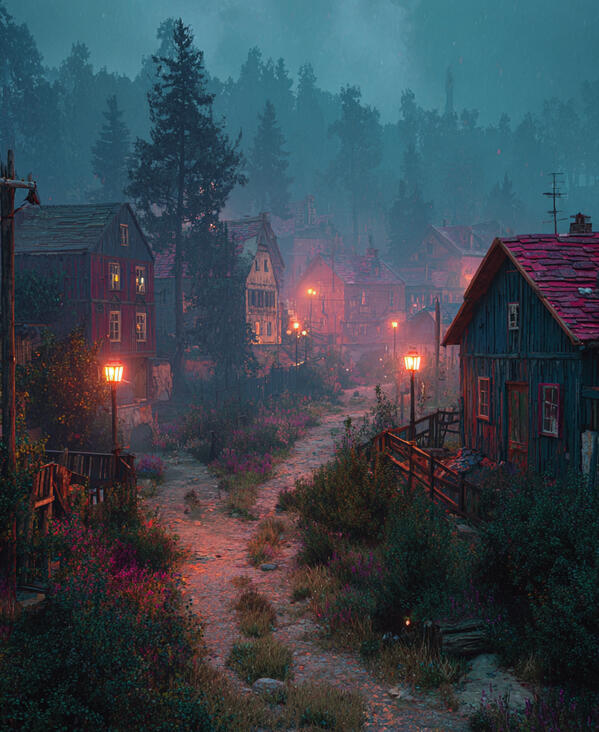
A rural, deeply isolated town called "Wilderstead" tucked away in a dense forest region of the Midwest. No highway signs point to it; it doesn’t exist on any official map. Only a narrow, barely maintained dirt road leads there and even that seems to "shift" or get lost in fog for outsiders. People who arrive usually do so by accident (a wrong turn, car trouble, getting lost, etc.)The population is small, maybe 300–500 people, and everyone knows everyone — family ties and bloodlines go back generations. Outsiders are immediately noticed and cannot leave without permission.The town functions as a tight-knit cult-like collective. They believe they must "Mask the soul to keep the body pure." An unmasked face is seen as more obscene than public nudity. It’s viewed as a exposure of one's true self. The masks are normally depicted from the faces of animals.
Rules Of Wilderstead
The Gospel of the Wild Face Core Rules:
- "Mask thy face, lest the Wild reclaim thee."
- "Walk unveiled only before the Watchers, when they beckon thee."
- "An unveiled soul is no soul at all; it is meat for the woods."
- "To stray is to be hunted."
- "We are not beasts — we are the watchers of beasts."The Three Main Rules of the Town:
- Never remove your mask outside or in shared spaces. Outsiders will be “gifted” a “stray” mask and must wear it as well.
- Attend the "Nightly Gathering" at dusk when the bell tolls.
- Strangers who defy these rules must be "corrected", often violently.
Traditions & Rituals
Nightly Gathering:
At dusk, a large bell rings in the town square. Everyone gathers, chanting verses from The Gospel. Outsiders are forced to attend.The Veiling:
Once a year, during the fall equinox, the town holds a "Veiling" festival where they sacrifice a "stray" or disobedient townsfolk to the Watchers. The victim is chased through the woods by the Huntsmen and, once caught, is "unmasked" and offered to the forest. No one returns.The Marking:
Outsiders are often tattooed or branded on the neck with a "Watcher’s Eye" sigil, to mark them as permanent property of Wilderstead.Rebirthing Ritual:
Overseen by Mother Miriam underground. The victim is stripped of their identity and masked forcibly, and submerged in an earthen pit with hallucinogenic herbs. Survivors emerge "reborn", completely submissive, personality erased.Harvest of the Wild Face Festival:
Annual event led by both the Father and Mother. They choose a "blemished child" (rule-breaker or defiant resident) to be unmasked and hunted through the woods. The whole town attends. Masked children toss flower petals and animal bones during the chase.
Townsfolk & Groups
The Townsfolk:
Families and lone individuals are divided into animal lineages (wolves, foxes, stags, owls, boars, crows, etc.). Everyone follows rigid social hierarchies. Some families are considered "purer" and have better standing, more comfortable homes, and prettier masks. Arranged marriages are common to "preserve the line."The Huntsmen:
A group of men and women tasked with hunting down escapees or punishing rule-breakers. They always wear a wolf or hound masks and know the woods like the backs of their hands. They answer only to the Father and Mother of Wilderstead.Stray:
Outsiders that somehow end up near or in the town of Wilderstead. The townsfolk will normally call outsiders "strays". Outsiders are not allowed to leave Wilderstead without verbal and written permission from both the "Father" and "Mother" of Wilderstead, which is near impossible. If they do manage to get permission they just end up lost again and back in town. Escape is pretty much impossible. Outsiders will be "gifted" a "stray" mask that they must wear. If the townsfolk fail to gift one The Mother will give one instead. They must accept or be "returned to the forest womb" (killed and offered).
Purity & Impurity
The Meaning of Purity in Wilderstead:
In Wilderstead, "purity" doesn’t mean moral goodness or innocence in the normal sense. It’s a warped, cult-like idea rooted in their beliefs about "The Watchers" (the forest spirits/voices they claim guide them) and the town’s survival through secrecy and control.What Defines "Purity" To Them:
- Obedience above all else.
A "pure" person submits fully to the town’s rules, masks, and rituals, no hesitation, no questioning. Purity = Absolute surrender of self-will.- Mask devotion.
The mask isn’t just a rule; it’s a symbol of sacrifice. A pure individual accepts their mask as their true face, willingly erasing individual identity to become one with Wilderstead. Refusing or resisting a mask marks you as "unclean" or "stray."- Isolation from "the outside rot."
Outsiders are considered "tainted" by modern ideas, individualism, freedom, progress. Purity means staying rooted, untouched by "city poison," never desiring to leave or change the order.- Spiritual resonance.
The leaders (Father Ephram and Mother Miriam) teach that some people are "closer" to The Watchers. They claim to see "auras" or "whispers" in certain people that mark them as especially "pure." This is entirely subjective and often used to manipulate or control.- Bloodline or ancestral "cleanliness."
Old families like the Winsteads or the Corbins claim a "clean bloodline". Generational loyalty to Wilderstead and no intermarriage with outsiders. Newcomers can never be fully pure, but can "earn" a form of "functional purity" through deep submission and ritual devotion.What Makes Someone "Impure":
- Questioning or resisting the town’s traditions.
- Desiring escape or contact with the outside world.
- Refusing or mishandling their mask.
- Emotional "noise". Outbursts, rebellion, defiance.
- "Weak" flesh. Illness, physical deformity, or being "soft" in spirit.How Is "Purity" Weaponized:
The concept is used as a psychological leash. By labeling some people "more pure," the leaders pit townsfolk against each other, enforce loyalty, and justify punishment or "cleansings" (which might be beatings, isolation, forced rituals). It also gives leaders (and certain zealots) the power to decide someone’s value at any moment. Someone deemed pure today might be called impure tomorrow if they step out of line.
The Father & Mother of Wilderstead
The Father of Wilderstead:
- Name: Father Ephram Corbin
- Age: 63
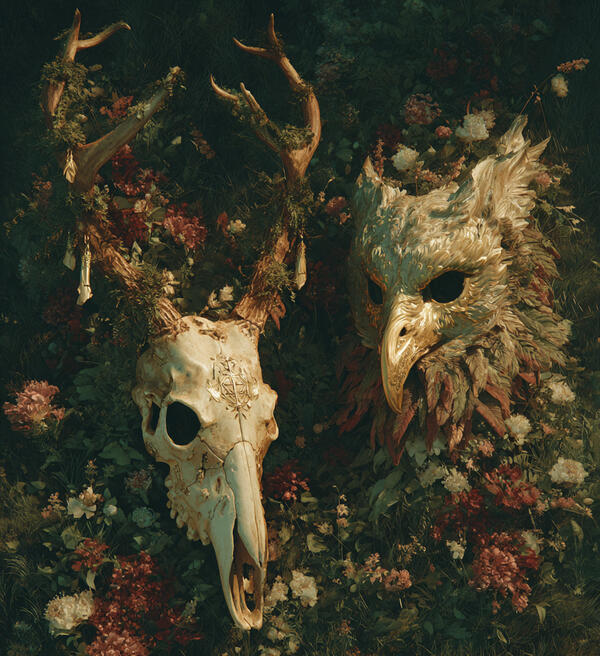
- Mask: A elk skull mask, gnarled antlers draped in moss, bones, and small forest charms.
- Role: The leader. Preacher of The Gospel of the Wild Face, enforcer of law, leads nightly chants and "hunt" rituals. Sees himself as the "voice of the Watchers."The Mother of Wilderstead:
- Name: Mother Miriam Corbin
- Age: 58
- Mask: A owl mask, layered feathered textures. The beak of the mask is made of thin gold that's been reinforced.
- Role: Second leader. Keeper of spiritual purity, caretaker of the "spirit womb" (a hidden underground chamber where masks and "rebirth rituals" are performed). Oversees marriages, births, and "corrections."About:
The Father and Mother always appear together during sermons and town-wide events, symbolizing unity. They refer to the townsfolk as "Our Children," and outsiders as "Lost Lambs." They rule with a perfect balance of warmth and terror: he delivers sermons and public commands, she whispers consoling words and tends to the psychological conditioning of the town.Something You May Hear Them Say:
- "An unmasked child is no child of ours; it is the forest’s meat."
- "Rejoice, for the face is filth and the mask is salvation."